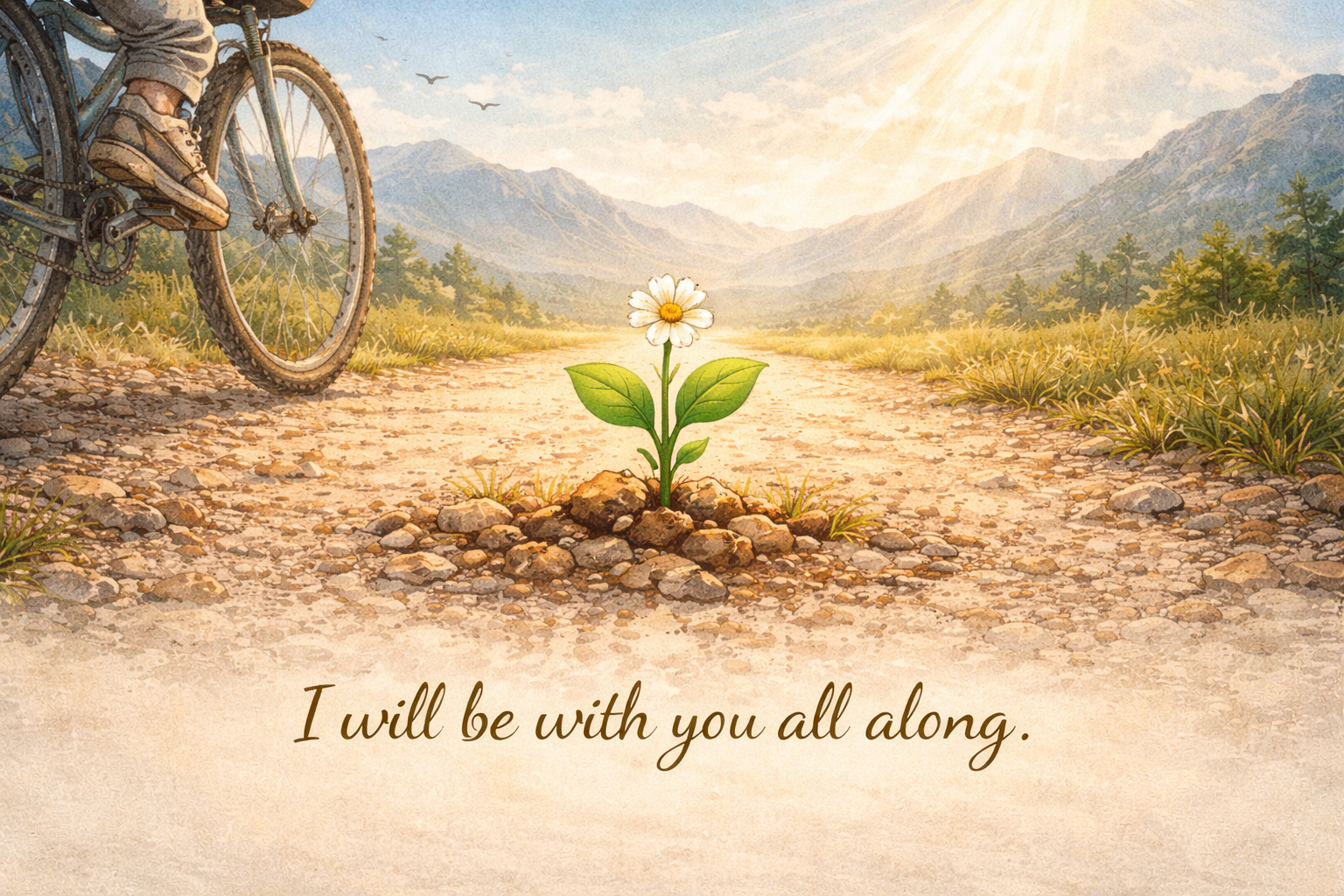
Ride for Mo — A Tribute to Moriah Wilson
Who Was Mo?
Anna Moriah Wilson was born on May 18, 1996, and grew up in Kirby, Vermont — a small town tucked into the hills of the Northeast Kingdom, the kind of place where winters are long and the outdoors is not a hobby but simply life. She was the daughter of Eric and Karen Wilson, both athletes themselves; her father had skied for the United States National Ski Team. Mo grew up on skis before she ever touched a bike, and became an elite alpine skier — competing at Dartmouth College, where she studied before the two wheels found her and changed the course of everything.
She was twenty-two years old when she made the transition from skiing to cycling. Most elite cyclists spend years building toward their first major win. Mo did not have years to spare — and somehow, impossibly, she did not need them.
Everyone who knew her says the same thing: she was not what you expected. Not louder, not more intense, not more visibly hungry than the people around her. She was quiet. She listened more than she spoke. She had the kind of presence that registers not because it demands to be seen but because it is entirely, genuinely itself — unhurried, unperforming, real in a way that draws people toward it without anyone quite knowing why.
She cooked dinner for her teammates the night before races. She did the dishes. She asked questions and remembered the answers. She was, by every account, someone you wanted to be around — not because she was dazzling in the way of people who work to dazzle, but because being near her felt easy, and warm, and like something good was quietly happening.
"Moriah Wilson was all light and laughter. She was talented, intelligent, gentle, fast, focused, and graceful. She had a poise and inner strength that is so rare in any human, especially one as young as 25."
— Rebecca Rusch, Mountain Biking LegendThe Rider
In less than three years as a professional off-road cyclist, Moriah Wilson became the winningest female gravel and mountain bike racer in America. This is not a small claim. It is the kind of record that takes most athletes a decade to build, if they build it at all. Mo built it in the time it takes most people to decide whether they are good enough to try.
She won her first major event in October 2021 — the inaugural Big Sugar Gravel race in Bentonville, Arkansas — and then she simply did not stop. In early 2022 alone, she won the Rock Cobbler, the Shasta Gravel Hugger, the Sea Otter Classic Fuego 80K, and the Belgian Waffle Ride California, crossing that last finish line more than twenty minutes ahead of her nearest competitor. Twenty minutes. In elite cycling, the margins are usually counted in seconds.
She was in Austin, Texas in May 2022, preparing to race again, when she was killed. The season was barely underway. What she might have gone on to achieve — in racing, in the sport she was transforming simply by showing up and being herself — is a question that will never be answered, and that absence is felt across the entire cycling community to this day.
The Heart Behind the Helmet
The wins tell part of her story. The rest of it lives in the smaller details — the ones that do not end up in race reports or record books but that the people who knew her reach for first when they try to describe who she was.
She did not crave the spotlight. This seems almost impossible, given how frequently the spotlight found her, given how good she was and how young and how clearly she was becoming one of the defining figures of her sport. But the people who knew her say it consistently: she was not driven by attention. She was driven by something quieter and more durable. She wanted to help. She wanted to inspire the riders who came after her, especially the younger women who were just starting to believe that they might belong on the roads she was winning. She wanted, in the way of someone who has found a thing that makes life feel real, to share it.
She had a romantic life she kept mostly private, the way people keep things private when they are still figuring out what those things mean. There was love, and there was the uncertainty that love sometimes brings — the vulnerability of it, the fear of it, the weight of carrying something significant without quite knowing where to put it down. She was twenty-five. She was figuring it out, the way everyone is at twenty-five, the way you can be the most capable version of yourself on a bike and still not know how to be the most capable version of yourself in love.
Her family was everything to her. Eric and Karen, her parents — her father who had given her the athlete's body and the competitor's mind, her mother who had been there for every race and every return home. Her brother Matt. And Cash — Caitlin Cash, one of her closest friends, a name that appears in her story in a way that breaks the heart, because it was Cash who found her, and that is a burden no friendship should ever carry.
She was someone who made the people around her feel seen. That is the thing that comes up again and again, from teammate after teammate, from people who raced against her and people who only met her once at the start line of a race. She asked how you were and she actually listened to the answer. In a world that rewards the loudest, she was quietly extraordinary.
"While a lot of elite athletes might be resting before a big race, Mo was cooking everyone dinner and doing dishes. That's just who she was."
— Ian Boswell, Professional CyclistWhat Happened
On the evening of May 11, 2022, in Austin, Texas, Moriah Wilson was shot and killed at the home of her friend Caitlin Cash. She had been in Austin to compete in the Gravel Locos race. She was twenty-five years old.
The investigation that followed moved quickly. Security footage placed a vehicle belonging to Kaitlin Armstrong — the then-girlfriend of fellow professional cyclist Colin Strickland, with whom Mo had had a brief romantic connection — outside Cash's home that night. Armstrong was found to own the same calibre of firearm used in the shooting. Days later, she fled the country.
For 43 days, Armstrong evaded authorities — travelling to Costa Rica, altering her appearance, attempting to disappear. She was captured on June 29, 2022, and returned to the United States to face trial. In November 2023, a Texas jury found Kaitlin Armstrong guilty of murder. She was sentenced to 90 years in prison.
None of it brings Mo back. This is the thing that sits at the centre of every account of this case — the verdict, the sentence, the years of legal proceedings — none of it undoes what was done on that May evening. A life that was in full flight, a career that was rewriting what was possible, a person who made every room she entered a little warmer: gone, because of a decision someone else made in a moment of jealousy and violence.
The cycling world fell silent. And then it found its way, slowly, to the only response that has ever made sense in the face of senseless loss: it kept riding. In her name. For her. Because the wheels do not stop, and Mo would not have wanted them to.
She didn't deserve this. The words are insufficient and they are also the only true ones. She was twenty-five years old. She was the best in her field. She was kind and humble and full of the particular kind of life that makes people better just by being near it. And she was taken by someone who had no right to take her.
So much more we owe.
Her Legacy
Moriah Wilson did not stop inspiring people when she died. If anything, the circle of people she has reached has grown wider than it would have been in any other way — and that is both a comfort and its own particular grief.
Her family established the Moriah Wilson Foundation in her memory, dedicated to the causes she cared about most: cycling, community, and the outdoors. The foundation supports access to the sport she loved and the spaces she found peace in, and it carries her name forward with the same quiet dignity she carried everything.
In 2026, Netflix released a documentary that told her story to the world — not just the tragedy of her death, but the full arc of who she was: the skier turned cyclist, the quiet champion, the young woman who was becoming something extraordinary and who never got to see how far that road would go. The film was directed by Emmy-winner Marina Zenovich and produced by Academy Award-winner Evan Hayes. The royalties from the documentary are donated to the Moriah Wilson Foundation.
Her races are ridden in her memory. Her name is spoken with the particular tenderness reserved for people who were taken too early — the tenderness of knowing that the world is genuinely smaller for the loss of them.
She wanted to inspire. She wanted to make a difference. She is still doing both.
The Truth and Tragedy of Moriah Wilson
Directed by Emmy-winner Marina Zenovich and produced by Academy Award-winner Evan Hayes, this Netflix documentary tells Mo's full story — her meteoric rise in professional cycling, the investigation, the trial, and the legacy she left behind. Royalties from the film support the Moriah Wilson Foundation.
Watch on Netflix →The Moriah Wilson Foundation
Dedicated to the causes Mo loved most — cycling, community, and the outdoors. The foundation works to honour her memory by supporting access to the sport and the spaces that gave her joy.
Learn about the foundation →Why Mo Reached Me
I heard Mo's story the way you sometimes hear a stranger's story — second-hand, through a screen, through the filter of a documentary and the words of people who loved her — and felt, unexpectedly and completely, that I knew her. Not her specifically. But the shape of her. The way she was in the world.
I am a writer and a poet, not an athlete. I have never raced anything. But I recognised her instantly — the person who does not seek the light but cannot seem to avoid it; who wants only to be good and kind and of use; who carries love carefully because they are not quite sure they deserve to put it down; who finds their one true thing and pours everything into it, not for the applause but because it is the place where they feel most fully themselves.
Mo found that on a bike. I found mine on a page. The road is different. The feeling, I think, is the same.
What struck me most — what I could not stop thinking about — was this: she was so strong. By every measure available to us, she was extraordinary. The fastest in her field. The most accomplished in the shortest time. And yet the people who knew her speak about her gentleness first. Her humility. The dinner she cooked. The questions she asked. The way she made space for other people even in the middle of her own becoming.
That combination — the quiet strength and the genuine softness — is not common. It is, in fact, the rarest thing. It is the thing I try to write toward, that I spend pages and pages trying to capture and name. And here it was, walking around in cleats and a cycling jersey, winning races by twenty minutes and doing dishes afterwards.
I wrote a poem for her. I wrote it because it was the only thing I knew how to give — and because I believe that words, when they mean something, are a way of keeping someone present. Of saying: you were here, and I know it, and I will not forget.
Mo, I never met you. I am in awe of you anyway.
This poem is yours.
Ride for Mo
Today I heard the story of Mo,
A stranger till today, but now I know.
Someone so beautiful, someone so rare,
Someone similar I haven't met — I cannot compare.
She rode the bike like one takes a breath,
It came easy to her, from her inner depth.
With a smile on her face, and her limbs so strong,
She climbed and rode, singing her life's song.
She was quiet yet friendly, a smile to touch a heart,
She didn't crave attention, yet limelight was her part.
She wasn't loud, nor did she demand her needs,
She wanted to be nice, and just doing her deeds.
She wanted to help, she wanted to inspire,
She wanted to make a difference — that is what she aspired.
In riding she found peace, her love, her bike,
Nothing clung to her more, nothing more alike.
Love happened to her, but she was afraid,
Sharing with not many — alone, on her it weighed.
Her races her partner, her bike her lifeline,
Together and forever, she thought, they will remain mine.
Her family was so precious, together always,
Never would she stay far away for days.
Eric the dad and Karen the mom,
Matt her brother, Cash her heartfelt balm.
And then it happened — the nightmare no one wants,
Pulling a trigger was easy; a memory forever haunts.
Why, O why, I think, with no answers that show —
She didn't deserve this. So much more we owe.
Her smile still bright, lighting people's lives,
Teaching more lessons in everything that strives.
As they pedal on their bikes, over the gravel,
I remember Mo — fondly — in this life's travel.
She didn't ask for much, she only asked to ride,
To love, to help, to have her people by her side.
A wrong decision took what the world could not replace —
But Mo, you left your light on every road, in every face.
I love you for the strength you wore so quietly,
I love you for the softness no one fully got to see.
Ride on, Mo. The wheels don't stop for grief —
And somewhere on that road, you are still the one in the lead.