A Night That Wasn't Theirs
by SAM Ruh
For just one night, they belonged to each other. In another world, they were happily married—just not to each other. They had families, responsibilities, love stories already written. But somehow, despite everything they knew, despite all the lines drawn and vows exchanged, they found themselves helplessly, irresistibly, falling in love.
Was it love? They weren’t sure. They only knew it felt too deep to ignore.
That night, they surrendered. Not to recklessness, but to a longing that had silently grown between them, blooming in the shadows of restraint. They decided to chase the fantasy that had quietly lived in stolen glances and unfinished thoughts. No promises. No tomorrows. Just one night.
They boarded a bus to nowhere, their destination unmarked—because this journey was not about place, but presence.
While the world outside dimmed and other passengers drifted into slumber, they awakened into a space where time bent to their will. He kissed her—once, then again, and then in endless succession. His kisses poured like rain—urgent, overflowing, relentless. She couldn’t speak. Words dissolved beneath the warmth of his mouth on her skin. Her cheeks, her lips, her throat—everywhere, his lips traced their own language.
She wasn’t shy. She wasn’t hesitant. In that moment, she was entirely his—and hers. She let go of every fear, every wall, every rule that had once kept them apart. The city blurred outside the window, twilight folding into deeper night as the bus rolled forward. But inside, they were still—locked in each other’s arms, locked out of reality.
He held her tightly—so tightly it almost hurt. She hadn’t known this version of him. So passionate. So intense. There was something savage about his tenderness, something startling about his desire. She was surprised. And she loved it.
Would it last? She didn’t dare ask. He was unpredictable, even untrustworthy at times. But tonight, she wanted to believe in the version of him that loved her. In the version of this moment that felt eternal.
But deep down, she knew.
This wasn’t forever.
This was a daydream folded into night. A love consumed in one breath and left to echo for a lifetime. A memory carved in flesh and silence.
Was this love? She asked herself.
Maybe not.
Love is meant to be honest. Transparent. Grounding. Love is what strengthens you, not what you must hide. Love is safety, not escape.
Still, when he touched her—gently, then not—she didn’t resist. She let his fingers trace the map of her skin. His touch was reverent, desperate, reverberating with things neither of them could say. She was already touched to the core—by his presence, by the heartbreak they were already anticipating.
She absorbed everything. The passion. The pain. The memories being written into her like ink on parchment.
This wasn’t love as the world defines it. But it was something.
And for just one night—it was everything.

The After Effects
by SAM Ruh
The one and a half days they spent together were nothing short of extraordinary. It was unlike anything either of them had ever experienced. No—he had never been with another woman. And she? She had never been with another man. That night shifted the axis of their lives.
She believed, naively perhaps, that their bond would deepen after what they shared—that love, once awakened, would only grow stronger. But morning came, and with it, the unraveling of her illusions.
They boarded a train back home. She trailed behind him through the station, anxiety gnawing at her. Every glance felt like judgment, every passerby a witness to her secret. To them, she was a woman marked—not by a scar, but by a choice. A choice that broke vows, rewrote rules, and burned in silence.
Inside the train, she sat beside him, their elbows barely touching. Hesitantly, she reached out—hooking her little finger around his. A simple gesture. A plea. But he brushed it away, as if her touch burned. Her heart, already bruised, cracked a little more.
She tried to convince herself it was fear—fear of being seen with a strange woman at such an ungodly hour. But her intuition whispered crueler truths: He is withdrawing. He is closing the door.
Neglect wrapped around her like a cold wind. She felt invisible. Worthless. Tears threatened to betray her, but he never looked her way.
The train crept forward at what felt like a glacial pace. Then he leaned in, his voice low and sharp:
“When we reach the station, we part ways. I don’t want to be seen with you.”
His words sliced through her like glass. Still, she nodded. What else could she do?
The train rolled into the platform. He stepped off first, walking ahead without looking back. She remained behind for a beat—collecting her shattered pieces—then followed. The station was unfamiliar, the city alien. She had no idea where to catch a cab or rickshaw. She wandered into the street, lost in the noise and movement around her.
Eyes fixed on the dust beneath her feet, she barely registered the world. Then, a car honked. She turned. It was him. He motioned for her to get in. Mechanically, she obeyed.
Silence swallowed the next thirty minutes. Neither spoke. Neither dared. Her thoughts raced, but her heart felt numb. She replayed the night, the morning, his words. And the question: What now?
The car finally pulled up near her home. She turned to him, nodded once—no anger, no bitterness, just quiet acceptance—and stepped out. Without another glance, she walked away.
The journey had ended. The love—if it was ever truly love—had drained away. The story she had hoped would bloom, had wilted instead.
Her steps were heavy. Her heart heavier. She didn’t know what the future held. Or if she even cared anymore.
Behind her, the car merged into the traffic, swallowed whole by the city.
Will they meet again?
Will they ever love again?
She didn’t know.
She only knew—this chapter was over.

The Untitled Bond
by SAM Ruh
Their relationship had everything—love, longing, chaos, and calm. It defied labels, evolving slowly over the years, growing roots in silence and storms alike. They talked endlessly—through nights and into dawn, sometimes arguing for hours, not out of hate, but from a hunger for more love. A love like theirs was rare. It felt eternal. They believed they were meant to be.
They made a decision—bold and terrifying. They would leave their respective families behind and begin a new life together. But such choices are never simple, especially when both came from beautiful, loving families.
She had warned him, more than once: if she was all in, she was bringing her whole self. No half-measures. She didn’t care what—or who—she had to give up. The first time he heard it, he was stunned. But he soon realized she meant it with all her heart. She was deeply, irreversibly committed.
They would often talk about their future—living under the same roof, traveling the world, waking up to each other’s presence. Just being there, for each other.
But love isn’t an easy job. It demands. It drains. It elevates you to the skies—and then throws you back to the ground, breathless. Still, they endured. Years passed. They spent countless days and nights together—eating, laughing, fighting, making up, making love, hating and healing. Everything.
People say you can’t truly know someone until you’ve lived with them for 24 hours. They had lived together for weeks. And it was clear—they could survive one another. More than survive, they could thrive together.
Sarah was complicated. A beautiful mess. She fell in love easily, and gave all of herself each time. Perhaps it was the scars from her childhood—the trauma she carried like a second skin. Gender never mattered to her. What mattered was how someone loved her, how they showed it. And so, her life became tangled, layered with multiple relationships—many of which overlapped.
Vir knew. He had always known. He understood Sarah better than anyone else ever had—and still, he wanted her. Needed her. Loved her.
Sarah often wondered why. Why would Vir choose someone so chaotic, so fragmented? But maybe that’s what real love looks like—unafraid of the shadows. Not perfect, not loyal in the conventional sense, but honest. Deep. Unshakable.
The kind of love that stays.
Dreams
by SAM Ruh
They had made a quiet promise to one another—to leave behind the familiar warmth of their families and begin a life together, just the two of them. Their dream was bold yet tender: to travel the world, to discover not only new places but also the depths of their bond. It felt surreal at times, but they held fast to it, determined to make it real.
Sarah often imagined their first home: sunlit walls, books stacked in careless piles, tea always brewing, music drifting through the air. It wasn’t luxury they dreamed of, but freedom. A space to belong to no one but each other.
Vir clung to that vision, too. He pictured her laughter echoing through the kitchen, her books and pencils strewn across the dining table, the way her scarf would hang on the back of their shared chair. Though oceans separated them, their hearts met faithfully each day through calls filled with longing, plans, and what-ifs.
Theirs was not a typical love story.
They met during a journey —he from Delhi, she from Turkey. They coincidently met again and again- running into each other at airports and restaurants. That was their beginning: small, unexpected, almost forgettable—except it wasn’t.
Weeks later, Sarah wrote to him. What started as monthly messages became weekly calls, and soon, daily rituals. They read books together, shared playlists, celebrated festivals on video calls, and slowly stitched a shared life across distance.
For two years, they nurtured what others dismissed as impossible. Friends called them idealists. Family called them foolish. But they called it love.
Then came the war.
The announcement was sudden—headlines, closed borders, grounded flights. Their first thought wasn’t politics. It was each other.
Would we ever meet again? Could love still cross borders now wrapped in barbed wire?
Sarah stayed. Her mother had fallen ill. Vir understood—but something shifted. Their calls remained, but the silence between them grew heavier.
One evening, Sarah dialed his number. He answered softly.
“I was just thinking about you,” he said.
“Me too,” she replied. “Vir… do you think we’ll still meet this year?”
“I don’t know,” he said. “But I do know this: we’ll find a way. One way or another. We will be together—come what may.”
It wasn’t just a promise. It was a vow. Spoken not with certainty, but with faith.
In the days that followed, the war escalated. But love—quiet, unshaken—remained. They called each other, wrote letters, sent poems, painted memories, and hoped. Even in the darkest uncertainty, they held on to one truth:
Love does not yield to borders.
Love is not bound by flags or fear.
Love outlives uncertainty.
Love waits.
Love remembers.
Love remains.
Love is here to stay.
Mendi
By SAM Ruh
Sarah had known Mendi since she was a little girl—a quiet, curious child with soulful eyes and a calm that seemed too profound for her age. There was something ethereal about her, as if she carried a piece of another world within her. From the beginning, something invisible linked them. Sarah couldn’t name it, but she felt it—a thread woven between their hearts, subtle and unspoken. They almost pulled each other together.
The first time they met, Mendi had smiled in a way Sarah would never forget—genuine, shy, and warm. That smile lit something in Sarah. It wasn’t maternal, not entirely—it was something gentler, more intuitive. A recognition.
From then on, Mendi often gravitated toward her at family gatherings. Her mother, a gracious and spiritual woman, often brought Mendi along to women’s events, breaking norms in small, loving ways. While the others chatted or cooked, Mendi would sit quietly next to Sarah, sketching in a notebook or watching the world with a soft gaze that seemed to see beyond it.
As a child, Mendi was already extraordinary. She spoke with poise, her language articulate and thoughtful. Even her silences had weight. Her art, too, was unlike anything Sarah had seen—drawings that didn’t just depict life but commented on it. Her pictures whispered truths, often uncomfortable, always compelling.
One piece stood out to Sarah: a Qur’an holder in a metal cage. It depicted Mendi’s struggle with faith—something Sarah was also going through. She had recently taken off her hijab, unhappily. Her faith still lived within her, but it wavered. She felt alone. That drawing mirrored her own state of mind.
There was one memory that clung to Sarah’s heart with unusual clarity. Mendi must’ve been twelve or thirteen at the time. The house had been full of people that day, and Sarah—overwhelmed by noise and emotion—had quietly retreated to a corner. Mendi had followed, said nothing, and simply sat beside her. Then, with the tenderest touch, she had pulled Sarah close and rested her head in her lap. Fingers stroking her hair, Mendi hummed something wordless and soft.
In that moment, Sarah had looked up at her—this girl barely older than her—and thought, She feels like my mother.
It didn’t make sense then, but it stayed with her all her life: that moment of care, of gentle authority, of love that asked for nothing in return.
Years passed. Sarah became a poet, a keeper of emotions. She had been writing for decades—scribbling verse in margins, penning stories between sips of chai. But she had kept it to herself for too long. The courage to publish her words came slowly, and when it did, she thought immediately of Mendi. Who better to bring her words to life through imagery?
Mendi was thrilled to collaborate. She read Sarah’s work carefully, immersing herself in the emotion, the rhythm, the quiet ache of it. Together, they created something neither could have done alone. It was more than a project—it was a conversation between two souls.
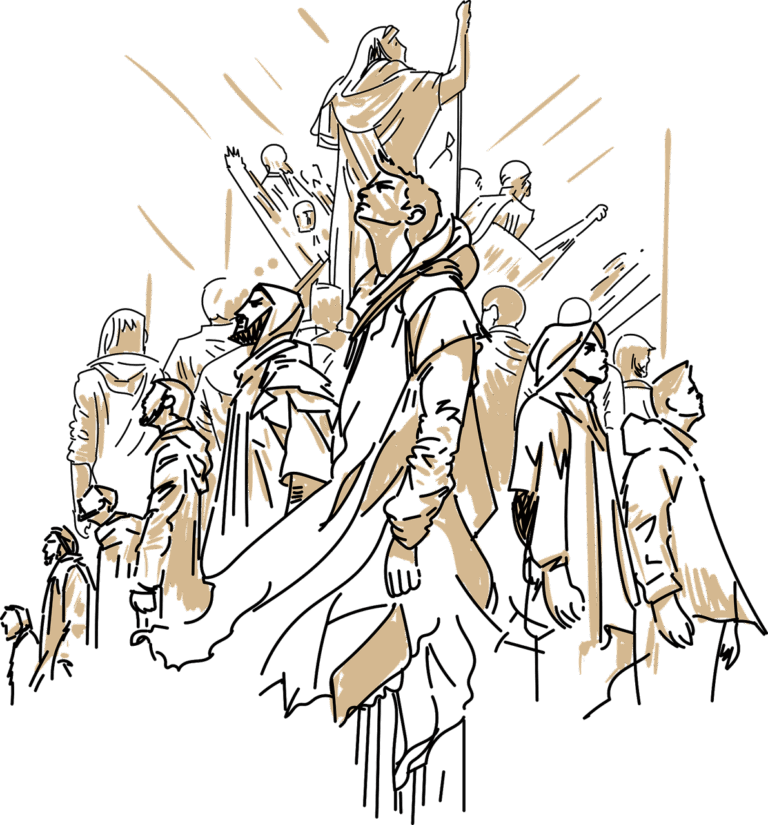
By then, Mendi had grown into a striking young woman. At university, she had become a symbol of resilience and rebellion. Mendi was another name for justice. She stood tall against unfair systems, organized protests, and gave voice to the voiceless. She was bold, articulate, and unafraid to confront authority. She led with grace and fire. Her classmates admired her, her peers followed her, and even her critics respected her.
This wasn’t the Mendi Sarah had known as a child—subtle and still. But perhaps it was the same flame, grown stronger, braver, more defiant. She still experimented with her appearance—her hair, her jewelry, her clothes—but now there was purpose behind her expression. She wore her beliefs as visibly as her art. Mendi had changed.
After Sarah’s mother passed away, the grief hollowed her out. Her vibrant spirit dimmed, and she retreated into herself. Days blurred into nights. The pen stopped moving. Even poetry—her most sacred refuge—felt unreachable. Depression settled over her like a fog. She rarely left the house, and when she did, it was only because someone insisted.
It was at one of those reluctant outings—a social gathering—that she saw Mendi again.
She hadn’t expected her. But there she was, walking in like a beam of light: her hair now shorter, her posture confident, a tiny piercing above her eyebrow gleaming under the warm lights. Her attire was different from the usual. Sarah liked it all.
She smiled instinctively. Mendi returned it with that same old quiet warmth, now matured by time.
They talked for a while—about art, poetry, piercings, the absurdity of life. It was easy. Effortless. Sarah felt, for a moment, like herself again.
That night stayed with her.
And then, just days later, came the call.
Sarah's husband’s voice trembled: Mendi had been in a terrible accident. It was serious. Life-threatening. Fatal.
The room around Sarah spun. She dropped the phone. Her breath caught in her throat. Her soul reached out, hoping against hope that the next call would bring relief.
But the next call shattered her.
Mendi was gone.
Gone.
The word felt foreign. Impossible. How could someone so alive be… not?
Sarah collapsed. The sobs were raw, unfiltered. She clutched the phone to her chest as if it could somehow hold her together. Her body ached from the crying. Her soul felt ripped open.
She couldn’t imagine facing Mendi’s parents. What could she say that would hold even a flicker of comfort? Yet, she went. She had to.
Their home was filled with people who had arrived to show support and to console them. Yet the place was quiet, heavy with the kind of stillness that grief creates. Mendi’s mother walked in after a while. She simply pulled Sarah into an embrace that said everything. There were no tears yet—only the ache of disbelief.
They were people of deep faith. They believed that every soul returns to its Creator. And Mendi, they said, had gone home.
Sarah was shocked and also relieved to see the way they reacted to this life-changing event.
Sarahv didn’t attend the funeral. She couldn’t. The thought of seeing Mendi lowered into the earth—seeing a casket where laughter once lived—was too much. She wasn’t strong enough.
Days turned into weeks. The grief didn’t fade—it transformed. It became a shadow that followed her through every room. She tried to write but could only cry.
Until, one day, the words came.
A poem for Mendi.
Not to explain the pain, but to make space for it. To keep Mendi alive in the only way Sarah knew how: in verse.
She wrote of Mendi’s nature, her silences, her art. She wrote of her defiance, her fight for justice, her uncompromising heart. And when the last line was done, she whispered:
“This won’t be the last.”
Because Mendi was no longer just a memory. She was now stitched into Sarah’s voice, her ink, her legacy.
She would appear again—in metaphors, in margins, in moonlit stanzas, and in colors.
Again and again.
The Fantasy
By SAM Ruh
Have you ever fallen in love? If yes, you know what it is to fantasize—to dream of a life not yet lived, but so vividly imagined it almost feels real.
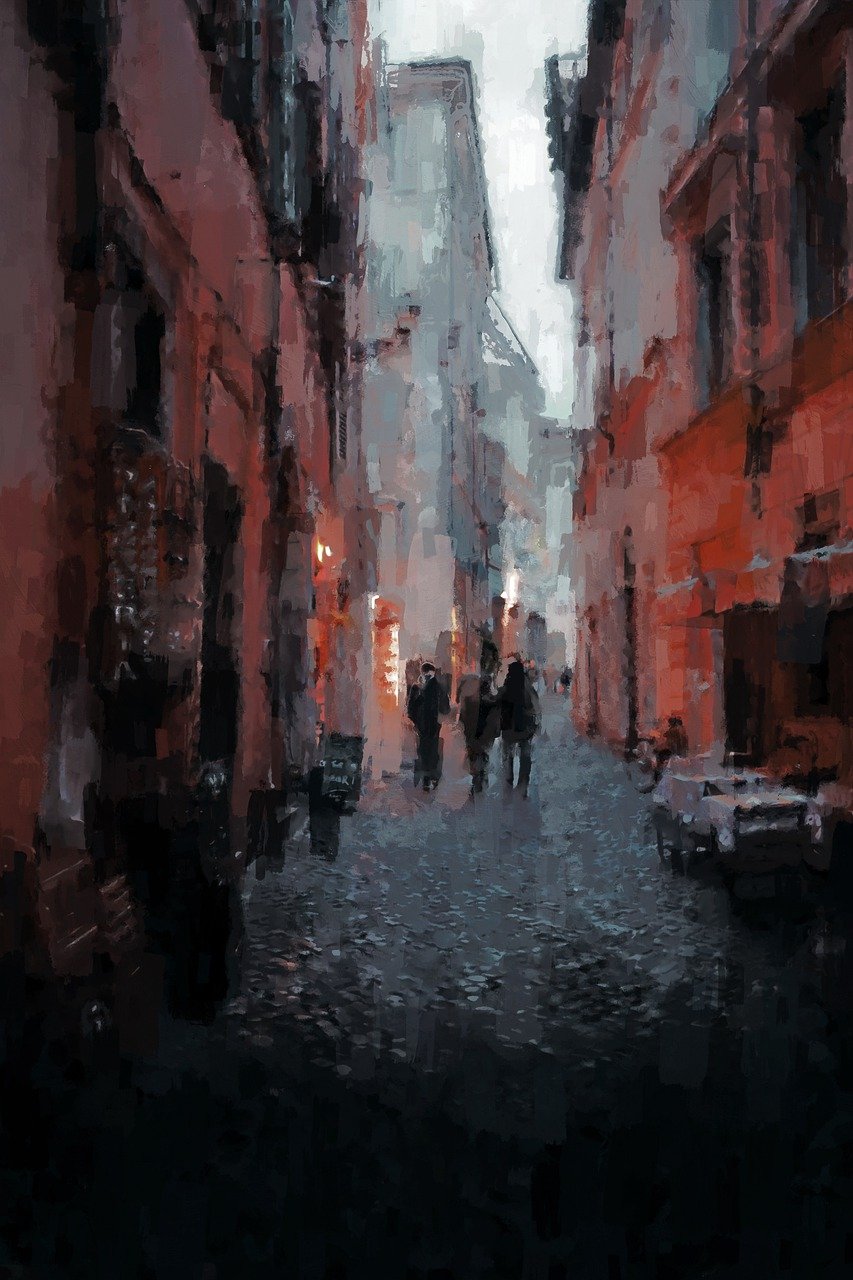
Sarah and Vir were two such dreamers. In the quiet hours of their day, they spoke of the life they would build together. Of the many cities that danced in their conversations, Calcutta always lingered. Sarah loved the soul of the city—the clatter of yellow cabs, the shimmer of rain on old roads, the burst of bougainvillea on street corners, the fading murals on timeworn walls. The trams, the crowds, the bridges stretching like arms over rivers, the slow-moving boats—every bit of it stirred something in her. She didn’t just want to visit Calcutta. She wanted to belong to it.
Vir, ever the rational one, listened with quiet amusement, sometimes running numbers in his head. Calcutta, he thought, was inexpensive and full of life. It would be a good place to live, maybe even to retire early. He didn’t share Sarah’s poetic view of the city, but he loved how her eyes lit up when she spoke of it.
Together, they conjured a home in their imagined Calcutta—a modest house with colored grilled windows and cross ventilation that let the air and sunlight roam freely. There would be just enough furniture, but an abundance of books and music. Sarah lived for melodies. She often told Vir, “Music should live with us—subtly, like a background heartbeat. It should play while we sip tea, while we read,while we chat about the past and dream about the future.”
Vir, grounded in logic and passion for science, had always been the achiever. He had worked relentlessly to earn his place in academia, and Sarah admired his dedication, even if she didn’t understand all he studied. She lived in a world spun from dreams, he in one stitched together by facts. Yet, their differences didn’t divide them. They were two halves of a greater whole—dream and discipline, art and analysis, emotion and reason.
They didn’t always agree, but they always returned to each other. That was their constant.
Years later, as the world changed around them, they found themselves walking down a narrow lane in North Calcutta. It smelled like monsoon and mangoes. A house with colored grills stood quietly on the corner. The wind carried strains of an old Rabindra Sangeet from somewhere within.
Sarah looked at Vir, her eyes misting. “This is it,” she whispered.
Vir smiled, older now, softer. “Let’s go see it.”
They never stopped dreaming. But that day, they chose to live the fantasy.
And in doing so, made it real.

What We Couldn't Say Together
A story told through two voices
By SAM Ruh
Sarah's Monologue: "What I Didn't See Then"
Sarah
You know, I didn’t fall in love with Ranjit—not the way he wanted me to.
And maybe that’s the hardest thing to admit now, after everything that happened. Because I wanted to. I wanted to feel that certainty he felt, that pull, that unwavering devotion. He loved me like I was a lighthouse in his storm. But I—I was still building a boat for myself. I didn’t know how to hold someone else when I was still learning how to hold my own heart.
At first, it felt sweet. His attention. His words that he dedicated to me. The way he remembered small things—like how I took my tea or the book I mentioned once in passing. I wasn’t used to being seen that way. It felt safe. Until it didn’t.
Slowly, his love started feeling like a weight. Not something I could share in, but something I was supposed to carry. I couldn’t breathe without explaining where I was, who I was with, what I was feeling. If I was happy, he feared I’d leave. If I was distant, he feared I already had. And every time he broke down, every time he cried, every time he begged—I gave in. Because I didn’t want to hurt him.
But the truth is, I did. I hurt him often.
Not on purpose. Never on purpose.
I just... didn’t know how to love him the way he needed me to. And he didn’t know how to let go of needing me that much.
He said things near the end that I’ll never forget. Words you can’t pull back once they’re thrown. And I know he was hurting, but that doesn’t excuse them. It was the first time I saw him not as the boy from the park or the man who made me laugh—but as someone who could wound me just to feel better.
That night, I made a choice.
Not to fight. Not to explain. Just to walk away. Not because I stopped caring—but because I had to care for me.
And now? I’m still learning. Still unlearning. But every step away from that version of love is a step closer to the version I want—the kind that doesn’t need apologies to survive.
Ranjit's Monologue: "The Space Between Us"
Ranjit
I used to think love meant holding on.
Tightly. Fiercely. Even when it slipped through your fingers like sand. I thought if I just loved her enough—louder, harder—she’d feel it and somehow… stay.
But Sarah wasn’t mine to hold like that. She was her own storm. Her own silence. Her own kind of light. And I—I was the fool who tried to trap sunlight in my hands.
I met her again at that reunion, thinking it would be nothing more than polite hellos and shared memories of chalk-dusted classrooms. But she laughed like no time had passed, she seemed so familiar, so home like.
She didn’t try to impress me. She didn’t even realize how effortlessly she drew people in. That’s what made me fall. It wasn’t the grand things. It was the way she looked up when thinking, the way she always seemed like she was almost somewhere else—like she was writing stories in her head.
And I wanted to be in those stories.
At first, everything felt like a dream—texting until midnight, sending her songs, watching her face soften when she smiled through the screen. But I always needed more. I was greedy with her. I wanted all her time, all her attention, all her love. And when she didn’t give it, not the way I needed, I panicked. I pulled. I pushed. I punished her with my silence, and at times used abusive words that I could never take back. And then later, I overwhelmed her with apologies. Over and over.
I thought she was careless. That she didn’t value me.
But the truth?
She was just being herself. And I didn’t know how to love her without trying to change her.
The last time we fought… I said things. Ugly things. Words I thought would shake her, make her stay, make her fight for me the way I was always fighting for her. But instead, she disappeared.
No message. No call.
Just... gone.
For days, I stared at the empty screen. Tried to convince myself she’d come back like she always did. But she didn’t. And maybe—maybe that was her way of finally loving herself.
I was angry. At her. At myself. At the idea that love wasn’t enough. But time has a way of softening the sharpest edges, and now I see it. I didn’t lose her because I loved her too much. I lost her because I didn’t know how to love without fear.
I don’t blame her anymore. In fact, I think I finally understand her.
She wasn’t meant to be held like a possession. She was meant to be witnessed. Appreciated. Let free.
And maybe if I’d known that then... maybe I wouldn’t be talking about her in past tense now.
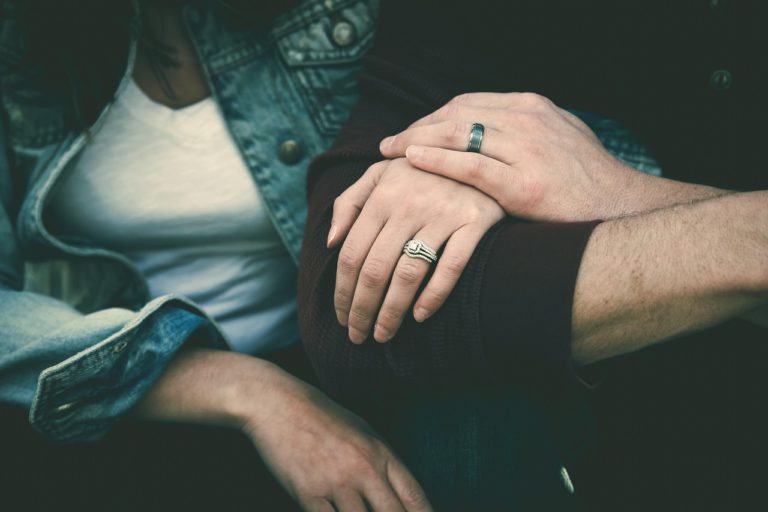
“Quiet Flame”
By SAM Ruh
They had been married for decades. But did they truly know each other?
That was doubtful.
He was grounded in logic, she was guided by feeling. He walked through life with a practical, measured pace; she moved through its currents with her heart wide open, often left feeling unseen. He believed emotions were impractical. She believed they were essential.
They had built a life together. Children, routines, rooms filled with decades of memories—some warm, some quietly painful. To outsiders, they seemed like a steady couple, the kind who had weathered life’s storms and emerged stronger. But the truth was murkier. Long marriages are often mistaken for happy ones.
The argument began the way they often did—without warning. A delayed dinner. A misplaced phone. His terse tone, her weary sigh.
“You never take anything seriously,” he snapped.
She looked up, hurt but unsurprised. “And you never see how hard I try.”
He rolled his eyes. “Here we go again. Always playing the victim.”
The words stung like a slap. She took a slow breath, steadying herself. “You think I’m weak because I feel things. But you—you don’t feel anything anymore.”
He turned away, arms crossed, unreadable. The silence stretched too long.
“I’m tired,” she said, voice breaking, but not from fragility—from the effort of holding back. “Tired of walking on eggshells. Tired of being the only one trying to hold us together.”
Still, he said nothing.
She looked at him then—not the man he had become, but the boy he once was. The one who used to make her laugh with ridiculous jokes. The one who had once loved her so openly, so easily. Where had he gone?
“I don’t want to fight,” she whispered. “I want us to be better. I want to believe we can still be happy.”
A pause.
“And if we can’t... if nothing changes...” She lifted her chin. “Then I will walk away. Not out of anger. Not because I stopped loving you. But because I’ve finally remembered to love myself.”
He blinked. That flicker in his eyes—it wasn’t quite guilt, nor recognition. But it was something. A small shift. Maybe the beginning of understanding. Maybe not.
She turned then, not with rage, but with quiet strength. She didn’t slam a door or throw one last insult over her shoulder. She simply walked to the other side of the room and sat by the window.
The moon hung low in the sky, casting a silver sheen across the floor. She wrapped her arms around herself—something she’d learned to do over the years—and let her breath steady.
Tomorrow would come. And with it, a choice. His, hers, or theirs.
But tonight, she had chosen herself.
And that was enough.
The Weight Between Words
By SAM Ruh
Sarah hadn’t felt like herself in a long time. Days bled into each other, marked not by light or laughter, but by the invisible ache that settled in her chest the moment she opened her eyes. Depression—this time, not a passing cloud but a monsoon—had taken root. She would cry often, quietly, hoping the tears would release something. They didn’t. She was trapped in a storm with no compass, grasping for handholds that kept slipping away.
She wasn’t alone in this—not technically. Vir was there. Always. Across oceans and time zones, his voice had been her lifeline.
They had reconnected at a school reunion three years ago. It was the kind of gathering Sarah had almost skipped, unsure if nostalgia was worth the awkwardness of small talk. But Vir had been there—older, quieter, still carrying that disarming smile from their school days. Back then, he had been the boy with ink on his fingers and music in his soul. She’d admired him from a distance. He remembered her as the girl who wrote poems in the margins of her notebooks.
That night, they’d talked for hours. What started as a shared drink and a few laughs turned into something deeper. Conversations spilled into late-night texts and long-distance calls. What they built wasn’t romantic in the traditional sense, but it was intimate, layered, and unshakeable.
Vir never asked her to be more than what she could offer. He just stayed.
And Sarah needed that. Especially now.
But need has a way of turning into fear. And fear has a way of distorting everything.
That morning, the conversation had started with the usual check-ins. How did you sleep? Did you eat? But Sarah had been holding something in—a quiet guilt, a confusion she hadn’t been able to name.
“I talked to someone else the other day,” she blurted, not meeting the screen. “Just… a friend. It felt nice. Like I wasn’t drowning for a second.”
The silence that followed wasn’t angry. It was worse. It was heavy.
Vir didn’t accuse her. He didn’t question her loyalty. He only said, softly, “Am I not enough anymore?”
And just like that, the ache deepened. Sarah hadn’t meant to hurt him. She wasn’t looking to replace him. She was just trying to breathe.
The call ended not in anger, but in exhaustion. Emotional misalignment was their enemy—her dusk was his dawn, and their hearts seemed to speak in different hours.
Alone again, Sarah lay awake, staring at the ceiling fan slicing the air. Panic curled in her chest like smoke. What if he leaves? What if I pushed him too far? The thought of losing Vir—her quiet strength, her sounding board—felt like losing her last safe place.
She didn’t want anyone else. Not really. Just him. Always him.
The next morning, groggy and drained, she called him again. Her voice cracked before she could even say hello.
“I’m still in this place,” she confessed. “This… darkness. But please, Vir… I need you. Don’t let me go. Don’t walk away. I’m not asking for anything more. Just don’t disappear.”
He didn’t interrupt. He let her speak, let her unravel.
When she finished, his reply came like a balm.
“Sarah,” he said, “I know you’re struggling. And I know I can’t fix it. But I’m not here to be everything. I’m here to be here. That’s what I promised. That’s what I’ll keep doing.”
Something in her broke then, and something else began to mend.
They didn’t define their relationship that day. They didn’t need to. There was no label that could contain what they were. But for now, she knew: he wasn’t going anywhere.
That night, as Sarah lay in bed again, she felt the same sadness—but it was quieter, gentler. Like it was giving her space to heal.
And for the first time in weeks, she didn’t feel entirely alone.
Because sometimes, the most powerful kind of love isn’t loud or grand. It’s the kind that simply stays.
The Phone
By SAM Ruh
It was past eight on a breezy Friday night. The house smelled faintly of saffron, cardamom, and frying onions—scents that always reminded Nilofar of her childhood, of her mother humming old film songs while stirring pots too big for her frame.
Now here she was, in her own kitchen, slicing onions under the yellow glow of the overhead light—eyes burning, throat tightening, fingers prickling with spice. Biriyani was the only dish she truly believed she excelled in. The children claimed she made the “best biriyani on earth,” and she had accepted that title with pride. Even though she hated cooking, she loved their joy. Mothers are built strangely—wired to pour love into the very things that exhaust them.
As she worked, memories flickered through her mind: the city nights in her tiny rented room, the hum of the fridge, the hollow clang of utensils, the silence that pressed itself into her chest like a weight. Five days alone. Two days with family. Every week felt like a cycle of losing and finding herself.
The onions sizzled as she tossed them into hot oil. Her youngest son walked in rubbing his eyes dramatically.
“Mom, These onions hurt my eyes” he complained.
She laughed. “Bas thoda sa aur. Then biriyani magic.”
He grumbled but walked out, whispering to himself about how unfair onions were.
Tonight felt different. She sensed an odd tightness in the house, like a hidden conversation about to breach the surface.
Her phone buzzed once—then again—then relentlessly. It was far away on the dressing table, charging peacefully until the incessant messages disturbed its rest. No one paid attention to it; everyone was busy in their small personal worlds. The children were in their rooms—one watching videos, the other assembling Lego structures that belonged in a museum. Mansoor had just stepped into the shower, tired from the week’s grind.
The house was alive with silence—voices absent but emotions present.
Mansoor rarely took long showers. He always washed quickly, almost mechanically—efficient, minimal, detached. When he stepped out and began toweling off, the buzzing became unmistakable.
He frowned. Whose phone is that? His was on silent. Always.
He walked to the bedroom and saw Nilofar’s phone blinking, lighting up the room in pulses. It vibrated so forcefully that it had inched dangerously close to falling off the table.
He moved closer.
One message flashed across the screen:
“I miss you”
He froze.
The next:
“Why are you not answering?”
A third:
“Where are you? I’ve been waiting.”
Mansoor felt the air leave his lungs. His ribs tightened around a sudden, unreasonable fear. He knew all her friends. Or at least, he always thought he did. None of them spoke to her like this. None of them had the audacity or the intimacy.
He stood still for a long moment—long enough for the steam on his body to cool and his thoughts to begin twisting.
A single question echoed inside him: Who is this man?
His chest felt heavy. His throat felt hot. He wanted to storm into the kitchen, hold her shoulders, and demand the truth. But something inside him—dignity, or maybe the fear of being wounded—held him back.
So he dressed quietly and went to her.
Nilofar was straining the rice, her face flushed from the heat of the stove. He saw her lift a heavy pot—too heavy for her small wrists—and instinctively stepped forward to help.
She let him. She always let him when she was tired.
He placed the layered biriyani into the oven, and the kids appeared suddenly, sniffing the air like excited detectives.
Nilofar noticed the stiffness in his movements. The way he avoided her gaze. The way he seemed… preoccupied.
“Miya… kya hua?” she asked softly.
He shrugged.
“Are you tired?” she persisted.
A barely audible “No.”
Something tugged at her heart—but she didn’t push further. Love teaches you when to press and when to pause.
She walked into the bedroom later and collapsed onto the bed with a sigh. A moment later, the phone buzzed again. And again. And again.
This time, she picked it up. 103 unread messages from Zakir.
About Zakir
Zakir had been her friend for years. Their friendship began with laughter over spilled chai and awkward introductions. They shared playlists, midnight snack runs, long discussions about films, and quiet moments that needed no words. Zakir loved her—not out of desperation, but because she brought a sense of calm and joy that was rare. He admired her wit, her honesty, her gentle approach to the world. Their friendship was effortless, comforting, and filled with small, cherished moments of happiness.
Nilofar knew that he cared. Zakir never demanded attention or reciprocation. Their bond was light yet significant, a rare constancy in her busy life. Messages like these were Zakir’s way of sharing a quiet, steadfast presence without intruding on her reality.
She scrolled. “I miss you. Why are you ignoring me? Do you know how hard this is for me? Just talk to me once. Please.”
Nilofar stared blankly at the screen. She didn’t feel guilt, panic, or flattered. She didn’t feel angry. Just tired. Tired from long weeks in the city, tired from emotional expectations she never volunteered for, tired from misunderstood silences—hers and everyone else's.
She put the phone face-down on the bed.
As she closed her eyes, she sensed someone standing near the doorway. She opened her eyes slowly. Mansoor. His face held confusion, fear, pain… but also restraint. A quiet plea. A quiet accusation.
Their eyes met. Something wordless passed between them.
He walked in and sat at the edge of the bed, shoulders slumped. After a long pause, he asked in a low voice:
“Neelu… kya tum… khush ho?”
The question broke something inside her. Not dramatically—just softly, like a thread snapping.
“I… I don’t know,” she whispered.
They sat there—two people who had lived beside each other for years, finally feeling the weight of the space between them. Not anger. Not betrayal. Just an ache neither had shared before.
After a while, she asked gently,
“Do you want to talk?”
“Not tonight,” he murmured. “But soon.”
She nodded. From the kitchen, the timer beeped cheerfully, announcing the biriyani’s readiness. The kids ran down the hallway, already arguing over who would get the biggest piece of chicken.
Life moved on—messy, familiar, imperfect. Nilofar stood up and walked toward the kitchen, her heart heavy but not hopeless. Mansoor watched her leave, thinking, Maybe we aren’t breaking. Maybe we’re finally waking up.
Some truths don’t destroy marriages. Some truths build doorways. That night, with biriyani in the oven and unanswered questions swirling in their hearts, they both understood something quietly beautiful: tomorrow was uncertain. But they weren’t afraid. Not of truth. Not of each other. Not anymore.
Some stories don’t end. They simply turn a page. And for now, Nilofar, Mansoor, and even Zakir’s gentle presence in her life reminded them that connection—whether old or new, familiar or surprising—was worth embracing.
Coffee Table Confessions
By SAM Ruh
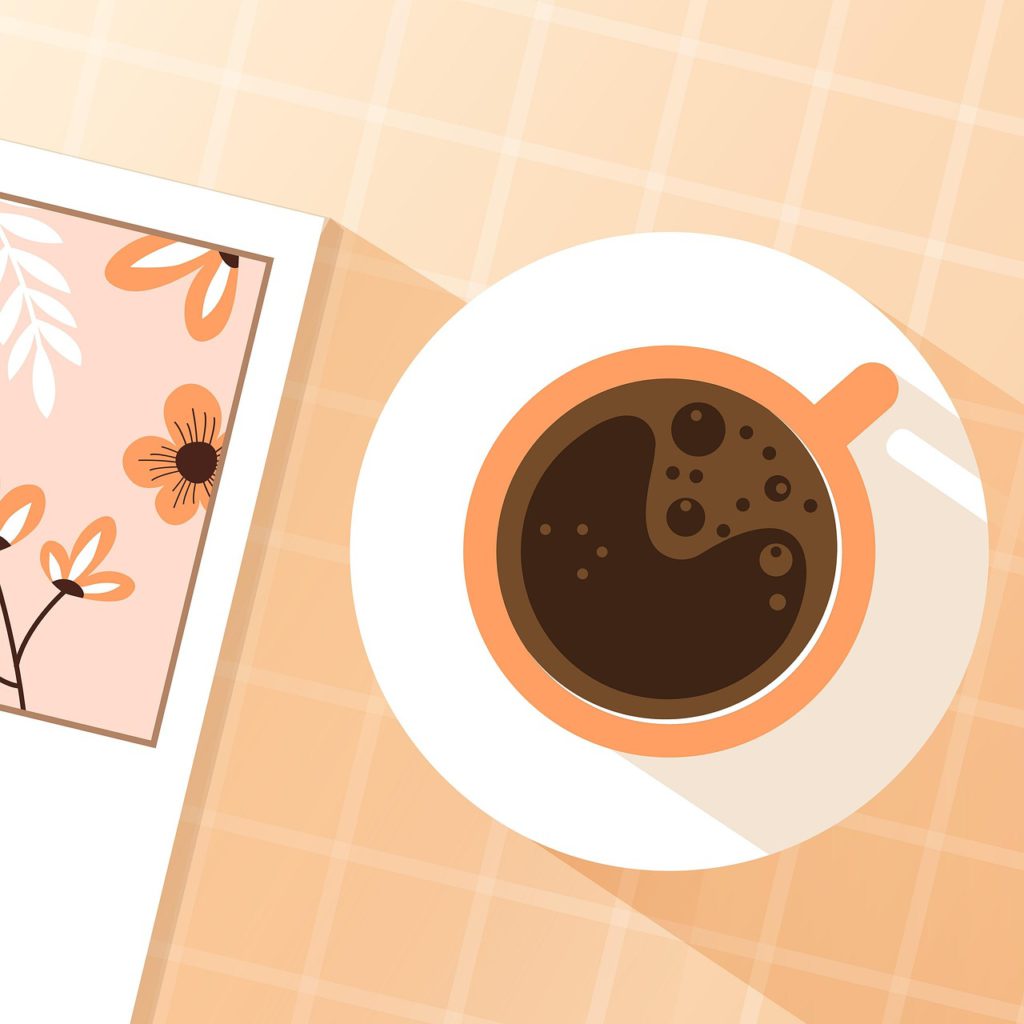
The hum of computers and the occasional ring of Slack notifications filled the IT office, but three friends had carved out a little oasis by the coffee table in the break room. The table was small, wooden, slightly chipped at the edges, but perfect for their mid-afternoon escapes. Steam curled lazily from fresh lattes, and the sunlight spilled across their faces, casting soft shadows.
Anaya, petite with sharp brown eyes and hair always tied in a messy bun, cradled her cup with both hands. Her fingers were long and slender, stained faintly with ink from her favorite notebook. Aarav, broad-shouldered with a scruffy beard and mischievous dark eyes, leaned back in his chair, tapping his foot impatiently. Rohan, taller than the rest, with a neatly trimmed haircut and a constant furrow between his brows, stirred his cappuccino absently, the foam clinging stubbornly to the edges of the spoon.
Sharing Stories
Aarav:
“I swear, my dad never lets anything slide. Even last week, I tried to fix my laptop myself—he watched from the doorway like I was performing open-heart surgery. He doesn’t trust anyone to do things the ‘right way.’ Sometimes I just want him to back off.”
Rohan:
“You think that’s bad? My mom… she calls me five times a day. Five! Even during meetings! Last week she texted me a photo of my lunchbox from school—said she remembered I liked chocolate pudding. I’m thirty, and she still remembers what I ate when I was eight!”
Anaya watched them, fingers tracing the rim of her cup. Her gaze drifted to the window, the city lights beginning to blink awake as dusk settled in.
Aarav:
“Anaya? What about you?”
Anaya hesitated. Her chest felt tight. “I… don’t have that anymore,” she said softly. “Both my parents… they’re gone. And honestly, I didn’t get along with them. My dad—he was so strict, always disappointed if I didn’t follow his rules exactly. My mom… she was distant, always buried in her work. I used to resent them. I… I didn’t appreciate them the way I should have.”
Memories and Realizations
She remembered her father scolding her for staying out late in college, his stern voice echoing in the empty hall. And her mother, who never attended any of her school plays, always too exhausted from work to celebrate small victories. She had harbored resentment for years, thinking it unfair. But now, she felt the ache of absence. “I wish I had argued less, shared more, even laughed with them more. I wish I had known how short time really was.”
Aarav frowned, looking down at his cup. “Wow… I didn’t realize.”
He remembered the time his dad had stayed up late making him a model rocket kit, even though he had complained endlessly about missing sleep. Or how last Christmas, his dad had wrapped a gift with extra care because he remembered Aarav had mentioned liking that particular book years ago. “Last month, my dad tripped while watering the garden. I laughed—thought it was funny. He’s fine, but hearing you say that… I feel awful now. Maybe I should call him tonight, just to check in.”
Rohan nodded, the foam from his cappuccino forgotten. He recalled the time his mom had spent hours helping him assemble a model train when he was ten, only for him to get frustrated and storm off. Or when she had stayed awake through a stormy night to make sure he got home safely from college. “And my mom—she tried teaching me how to bake a cake last weekend, and I messed it all up. She didn’t scold, just smiled. I complained, but I could have paid more attention, appreciated it more. You’re right, Anaya… we don’t always realize what we have until it’s too late.”
A Lesson in Appreciation
Anaya smiled faintly, the tension in her shoulders easing. “I’m not trying to make you feel guilty. I just… wanted to share. Talking about it helps me, and maybe it can help you too.”
The boys exchanged a look. Aarav’s voice was quieter than usual: “I think I’ll call my dad tonight. Just to… talk. Not complain, just… check in.”
Rohan pulled out his phone. “Same. And maybe help Mom with that cake recipe this weekend. Spend time, you know?”
They all sat there for a few more moments, sipping their drinks. Aarav thought about the time his dad had cheered for him after a failed soccer match, the way he had clapped harder than anyone else, even when the team had lost. Rohan recalled his mom’s soft voice reading bedtime stories when he was sick, her hand gently brushing his hair. And Anaya, though her parents were gone, smiled quietly at the memory of her father’s rare smiles when she succeeded at something and the small glances from her mother that hinted at pride she never openly expressed.
The sun had dipped lower, and the office lights flickered on. It was quiet, but not empty—the air was thick with reflection and the unspoken gratitude only shared confessions can bring.
By the time they left the break room, Aarav and Rohan felt lighter, closer to their parents than they had in weeks. And Anaya, for the first time in a long while, felt a measure of peace, knowing she could honor her past by nurturing the relationships she still had around her.